Maktaba Tul Madinah E-Commerce SEO Case Study
- Category : ecommerce-seo
- Client : Maktaba Tul Madinah
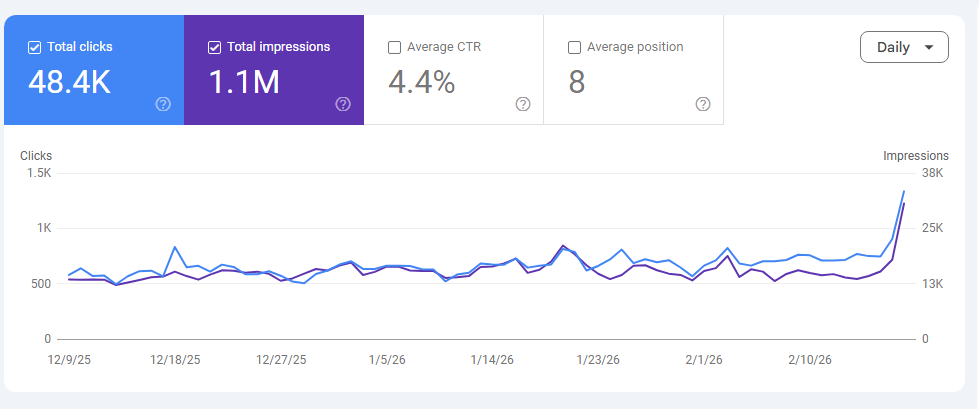
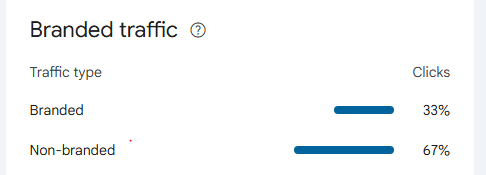
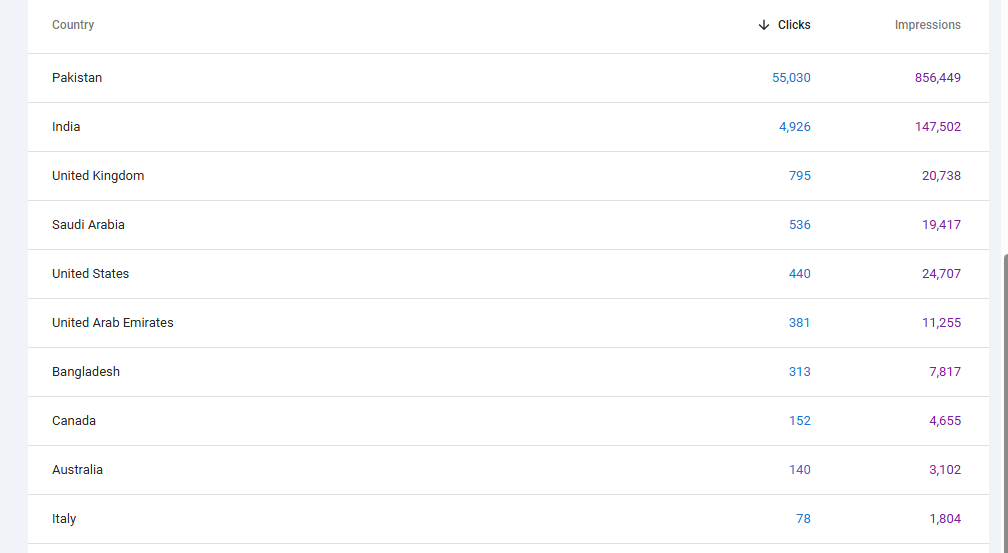
Maktaba Tul Madinah needed stronger search visibility for its e-commerce website. The goal was not only to bring traffic. The real goal was to make important product and category pages easier to find on Google, improve search performance, and build a strong organic presence in a competitive market. Through a complete SEO strategy, the project achieved: • 2.98 million impressions • 150,000 plus organic clicks • 5 percent CTR • 7.5 average position • Rankings for competitive keywords such as “Quran Majeed”
Project Overview
Maktaba Tul Madinah is an e-commerce platform with a large number of products and search opportunities. The website already had products, but the SEO structure needed improvement. Many e-commerce websites in Pakistan face the same issue. Products are uploaded, but Google does not clearly understand which page should rank for which keyword. This project focused on fixing that problem. I worked on the website from the ground level and created a full SEO plan covering technical SEO, on-page SEO, keyword targeting, and off-page authority.
The Challenge
The main challenge was ranking in a high-competition e-commerce niche. The website needed better visibility for product and category keywords. Some keywords had strong search volume, but competition was also high. Main problems included: • Indexing issues • Weak product page optimization • Poor metadata • Unclear keyword targeting • Website structure issues • Low authority for competitive search terms • Product content that needed better search intent alignment For an e-commerce website, small SEO problems can create big traffic losses. If Google cannot understand your product pages, buyers will find your competitors first.
SEO Strategy
It is a long established fact that a reader will be distracted by the readable content of a page when looking at its layout. The point of using Lorem Ipsum is that it has a more-or-less normal distribution of letters, as opposed to using 'Content here, content here', making it look like readable English. Many desktop publishing packages and web page editors now
-
01
Technical SEO Audit
The first step was a technical SEO audit. I checked indexing, crawlability, page structure, important URLs, technical errors, and how Google was reading the website. The purpose was simple: make the website easier for Google to crawl and understand.
-
02
Indexing Improvements
Some important pages needed better indexing signals. I reviewed which pages should be indexed, which pages needed improvement, and how the overall structure could support better visibility. This helped Google discover and process the right pages.
-
03
Keyword Strategy
The keyword strategy was built around real search intent. Instead of targeting random keywords, I focused on terms that users were already searching for. The goal was to connect product pages and category pages with the right search queries.
-
04
Product Page Optimization
Product pages were improved with better titles, descriptions, headings, metadata, and content structure. The content was written to help both users and search engines. A good product page should answer basic buyer questions, include relevant keywords naturally, and make the product easy to understand.
-
05
Category Page Optimization
Category pages are very important for e-commerce SEO. I improved category-level targeting so that the website could rank for broader search terms, not only individual product names. This helped build stronger organic visibility across the website.
-
06
Internal Linking
Internal linking was improved to help Google understand which pages were most important. Strong internal linking also helps users move from one useful page to another, which improves website experience.
-
07
Off-Page SEO
A clean off-page SEO strategy was used to build authority. The goal was not spammy link building. The focus was on relevant and safe authority signals that could help the website compete for difficult keywords.
Results
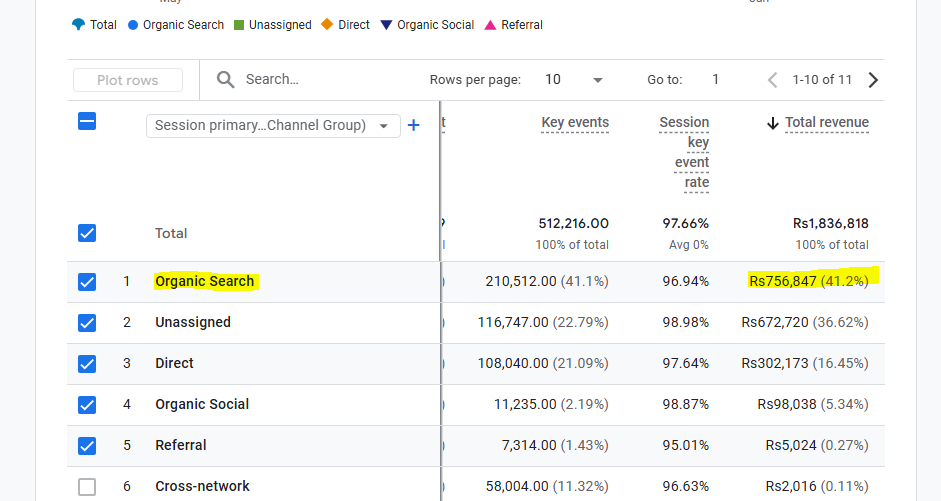
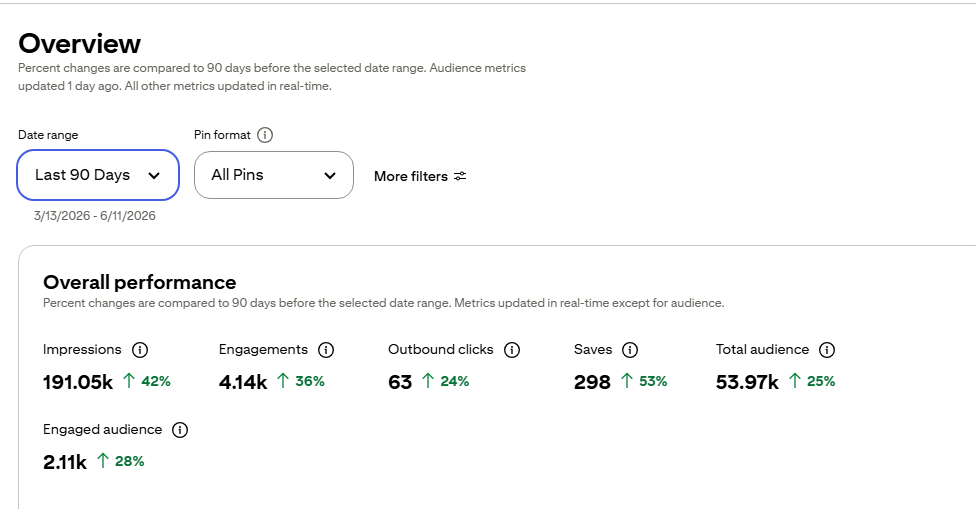
The project delivered strong organic growth. Key results included: • 2.98 million impressions • 150,000 plus organic clicks • 5 percent CTR • 7.5 average position • Improved rankings for competitive search terms • Better visibility across product and category pages