4D Technologies Lead Generation SEO Case Study
- Category : Lead Generation SEO
- Client : 4D Technologies
4D Technologies needed SEO that could support business growth. The goal was not just to increase website traffic. The goal was to attract qualified leads from serious business buyers. Through semantic SEO and service page optimization, the project helped build consistent search visibility and attract high-value B2B opportunities.
Project Overview
4D Technologies is a B2B business where lead quality matters more than traffic volume. In B2B SEO, 10 serious leads can be more valuable than 10,000 random visitors. That is why this project focused on search visibility for the right audience. The SEO strategy was planned to support high-value business inquiries, especially from companies looking for services with real commercial intent.
The Challenge
The main challenge was ranking in a high-competition e-commerce niche. The website needed better visibility for product and category keywords. Some keywords had strong search volume, but competition was also high. Main problems included: • Indexing issues • Weak product page optimization • Poor metadata • Unclear keyword targeting • Website structure issues • Low authority for competitive search terms • Product content that needed better search intent alignment For an e-commerce website, small SEO problems can create big traffic losses. If Google cannot understand your product pages, buyers will find your competitors first.
SEO Strategy
It is a long established fact that a reader will be distracted by the readable content of a page when looking at its layout. The point of using Lorem Ipsum is that it has a more-or-less normal distribution of letters, as opposed to using 'Content here, content here', making it look like readable English. Many desktop publishing packages and web page editors now
-
01
B2B Keyword Research
The keyword strategy focused on commercial intent. That means I looked for keywords that serious buyers may search before contacting a company. The aim was to avoid low-value traffic and target users who were closer to making a business decision.
-
02
Semantic SEO
The website content was structured around important business topics. This helped Google understand the company’s services and industry relevance. Semantic SEO is useful for B2B because buyers often search in different ways. A strong topic structure helps the website appear for more relevant searches.
-
03
Service Page Optimization
Service pages were improved to explain the offer clearly. A good B2B service page should answer: • What service is being offered? • Who is it for? • What problem does it solve? • Why should the buyer trust the company? • What should the visitor do next? The content was improved with this structure in mind.
-
04
On-Page SEO
Titles, headings, metadata, content flow, and internal links were improved. The goal was to make each service page easier to read and easier to rank.
-
05
Lead-Focused Content
The content was planned to support business inquiries. Instead of writing content only for traffic, the content focused on problems, solutions, and decision-making.
-
06
Performance Tracking
SEO performance was reviewed with business goals in mind. Rankings are useful, but leads matter more
-
07
Off-Page SEO
A clean off-page SEO strategy was used to build authority. The goal was not spammy link building. The focus was on relevant and safe authority signals that could help the website compete for difficult keywords.
Results
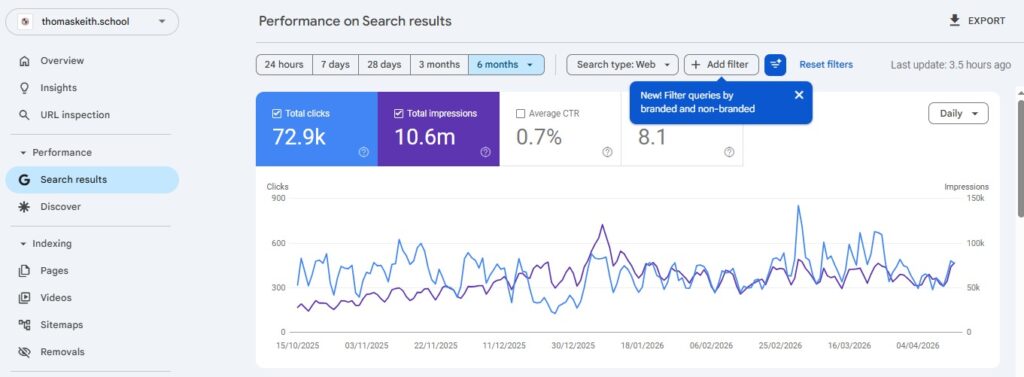
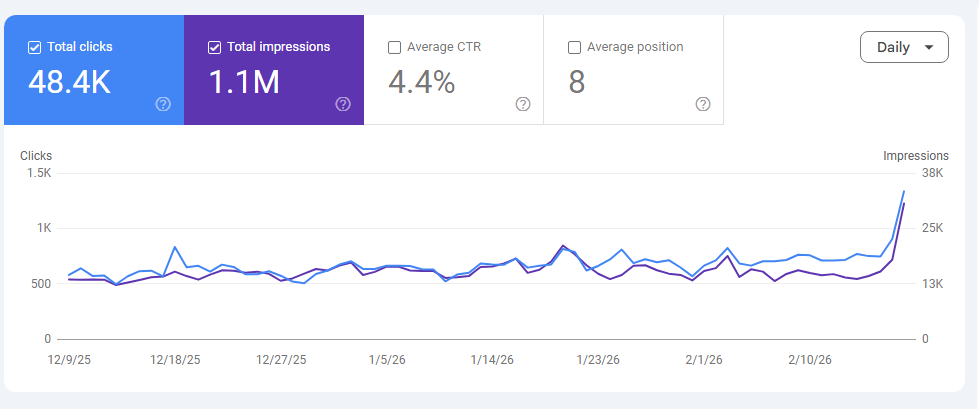
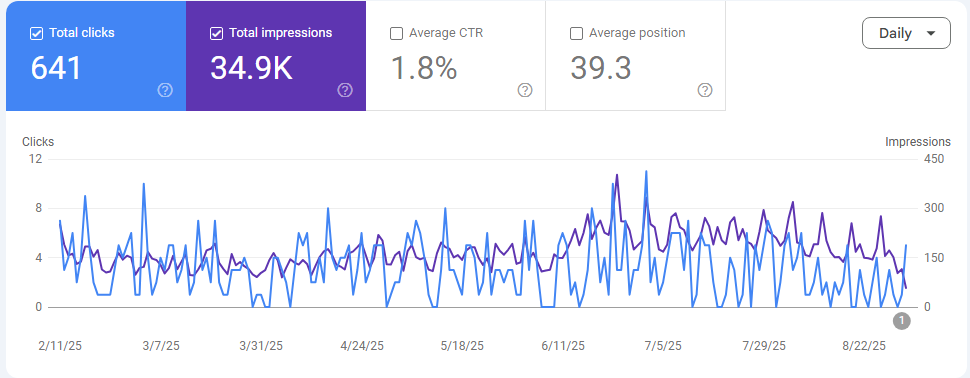
The SEO work helped the company build consistent search visibility and support a steady pipeline of qualified leads. According to your CV, this work helped attract high-value MNC pharma leads and maintain a steady pipeline of 2 to 4 qualified leads, with an average order value of around PKR 2.5 million.